
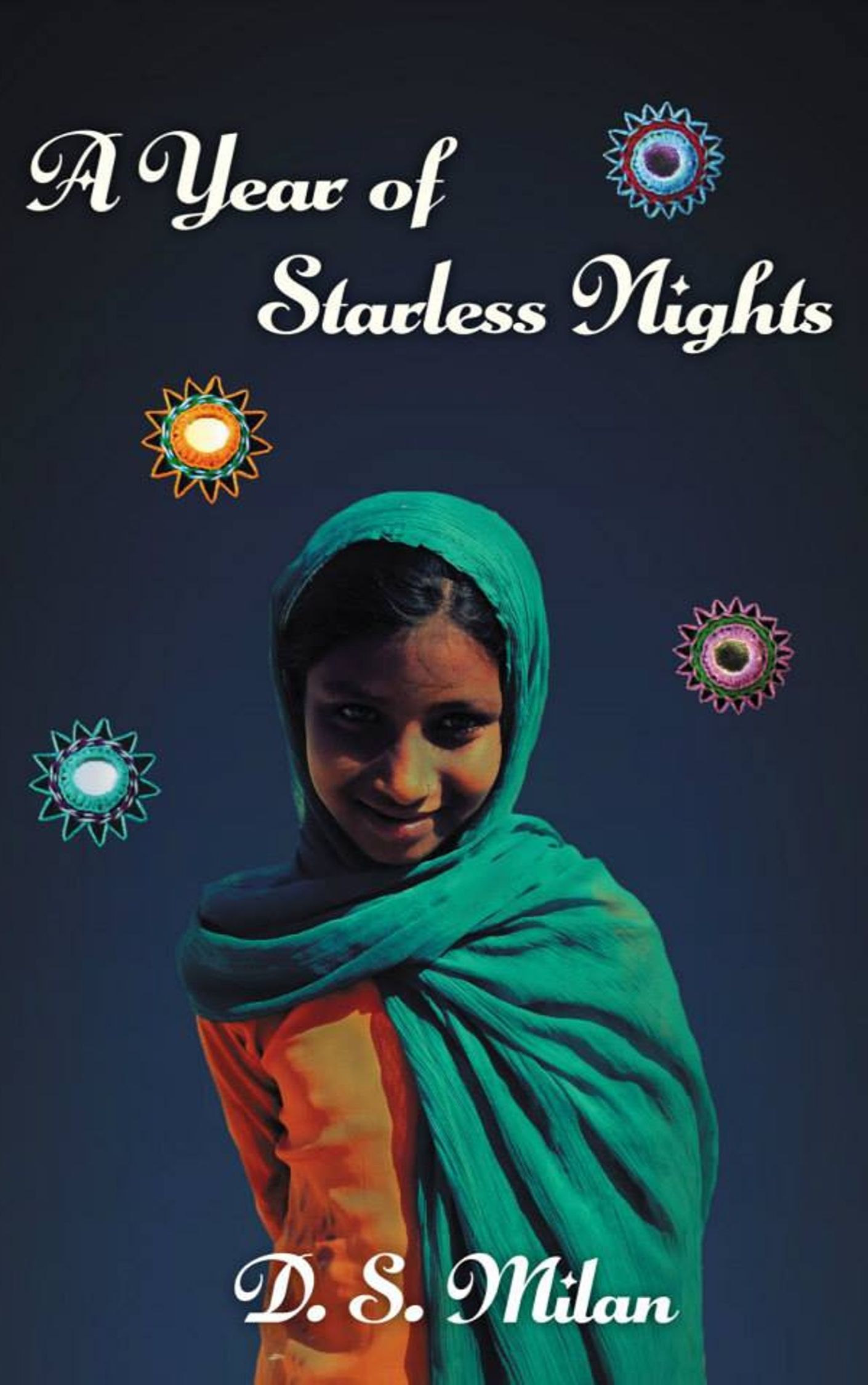
Across generations and genres, literature has celebrated the resilience of women—both real and imagined—who face impossible odds and choose to persevere rather than submit. These stories provide readers with both mirrors and maps, helping us see our own strength and navigate the challenges in our lives.
Resilience in literature is rarely a one-dimensional trait. It manifests in diverse ways depending on a character’s circumstances, cultural background, and internal struggles. Take, for instance, Offred from Margaret Atwood’s The Handmaid’s Tale. Living in a dystopian regime that strips women of autonomy, Offred endures daily cruelties with courage and dignity, holding onto her identity and hope even in the darkest moments. Her story reminds us that resistance can be quiet as well as fierce, and that strength is sometimes found in survival itself.
The theme of resilience is also powerfully explored in Toni Morrison’s Beloved, where Sethe, an escaped slave, must confront the traumatic specter of her past while fighting for her family’s future. Morrison’s portrayal highlights how resilience takes different forms when shaped by the intersections of gender, race, and motherhood. Sethe’s journey is a testament to the unyielding spirit of women who have long been marginalized, yet continue to carve out their own destinies.
Real-life stories, echoed in autobiographical works, serve to reinforce literary examples. Malala Yousafzai’s memoir I Am Malala is a rallying cry for every girl who has ever been told her dreams were too dangerous. Surviving violence and oppression, Malala’s narrative shows that resilience can change not only one’s own life, but also the world at large.
Contemporary fiction frequently features strong female protagonists who assert their agency in unique ways, such as those in Naomi Novik’s Uprooted and Spinning Silver, or the indomitable heroine of The Adventures of Amina al-Sirafi. These characters are not defined by extraordinary abilities or circumstances; rather, their strength comes from persisting through loss, discrimination, and adversity, and in refusing to be rescued by someone else.
Literature also offers a window into the resilience of girls and young women facing issues like poverty, abuse, and mental health struggles. Characters who confront and overcome these obstacles demonstrate that hardship does not define them—it shapes their strength. Through these stories, readers are invited to reflect on their own challenges and the ways in which they, too, can persist in the face of adversity.
By shining a light on the many faces of female resilience, literature not only honors the struggles of women past and present, but also empowers new generations to write their own stories—with grit, hope, and unwavering determination.
Many editors and publishers have historically found it extremely difficult to address the topic of child marriage in young adult (YA) literature, even though it remains a harsh reality for millions of young women worldwide. The subject is often considered taboo, and prevailing cultural and societal norms have made open dialogue challenging for both the literary and educational communities. In some regions, child marriage is either omitted from textbooks and classroom discussions or glossed over, leading to further invisibility of the issue even where it is most prevalent.
This silence in YA literature can mean missed opportunities to raise awareness, build empathy, and discuss the complex causes and consequences of child marriage. In publishing, editors have sometimes hesitated to include stories about child marriage due to concerns over controversy, cultural sensitivities, or fear of backlash from parents and gatekeepers. However, addressing these lived realities in fiction is vital—not only to provide an authentic reflection of many girls’ lives but also to challenge stigma and help end the cycle of silence and invisibility.