
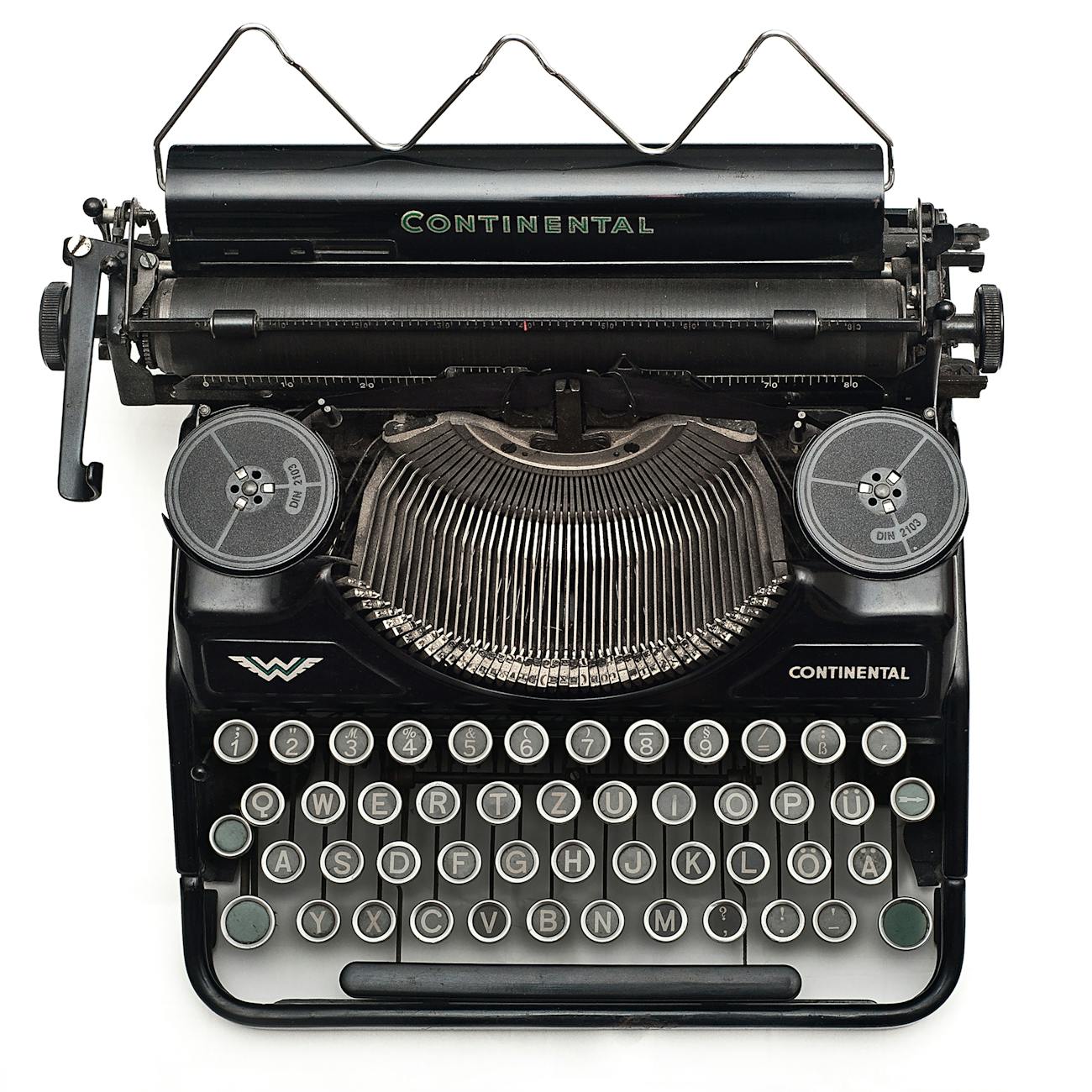

Or: Why Writing About “It” Feels Productive While Actually Working on “It” Feels Like a Trap
If writing were a hobby for emotionally stable people, none of us would be here.
Instead, authors spend their days enthusiastically marching toward invisible cliffs, convincing themselves they are “making progress,” and then plummeting into yet another avoidable crisis of confidence—usually triggered by a single adverb.
Writing is not hard because we lack ideas. Writing is hard because we have standards. That’s what I like to call them. Editing is hard because those standards wake up halfway through the process and demand reparations. 20-30 rewrites of the same sentence. It isn’t pretty.
Let’s take a tour, shall we?
The “I Just Need to Research This One Thing” Cliff
You sit down to write. You open the document. You type a sentence.
Then your brain says: But what if this is inaccurate? Three hours later, you are reading an academic paper from 1978, you’ve forgotten what you were writing, and you now know far too much about an obscure topic that will absolutely not survive the final edit.
This cliff is popular because it feels responsible. You’re not avoiding the work—you’re preparing for it. Like sharpening a pencil for six hours instead of writing the sentence. “This research will definitely make it into the piece.” No.
The “This Is Absolute Garbage” Cliff
At some point during drafting—often around paragraph three—you realize something terrible: This is not genius. In fact, it is aggressively mediocre.
So you do what any reasonable author does: you emotionally disown the entire project, declare yourself a fraud, and briefly consider pottery. Edit: not brief at all…I have bowls and bowls which my husband constantly calls “The Crooked Pottery Company”
This cliff exists because writers insist on judging unfinished work as if it were a final product. First drafts are not supposed to be good. They are supposed to exist. Unfortunately, authors are famously bad at letting things exist without immediately trying to destroy…erm….fix them.
The Meta-Writing Cliff
(Where You Write About Writing Instead of Writing)
Ah yes. The safest cliff.
You cannot bring yourself to edit the chapter, but you can write: A blog post about creative resistance. A think-piece on perfectionism. An essay about why editing is terrifying.
This feels productive because it is adjacent to the work. You are circling it thoughtfully. Intellectually. Like a hawk that refuses to land.
Meta-writing is seductive because it allows you to sound insightful without making decisions. And editing, tragically, is nothing but decisions. This is why many authors have 47 essays about their process and one unfinished manuscript.
The Editing Cliff (Also Known as “Who Wrote This?”)
Editing your own work is a special kind of psychological experiment because you are forced to confront the person you were when you wrote it.
Sometimes that person was brilliant. Sometimes that person was tired. Sometimes that person thought three metaphors in one paragraph was a personality.
Editing requires you to admit that: Some sentences you love are doing nothing. Some sections you worked hard on must die. Liking a line does not mean it belongs
This is when authors begin bargaining. With ourselves. It’s endless. “What if I keep it, but… quietly?” No.
The Perfectionism Cliff
This cliff insists that you cannot move forward until the piece is flawless. The structure must be elegant. The opening must grab you… the ending leave you wondering why the characters couldn’t hang around just a little longer.
So you stall. Perfectionism loves to pretend it’s about quality, but let’s face it, it is plain and simple fear—fear of being seen while still becoming.
The “I Should Just Rewrite the Entire Thing” Cliff
This cliff appears late in the process, when you are tired, overstimulated, and one bad paragraph away from starting over “fresh.” Starting over feels hopeful. Editing feels like accounting. Sometimes a rewrite is necessary. More often, it’s just avoidance If you have rewritten the opening six times, the problem is not the opening. It’s your unwillingness to let the piece be done.
How Authors Actually Finish Things (Against Their Will)
Authors do not finish because they feel ready.
They finish because they get tired of themselves.
Finishing looks like: Making peace with “good enough” and letting the work stand without explaining it to death The cliffs do not disappear. Not at all. You simply learn to recognize them faster and stop setting up camp.
If you are currently writing about your project instead of working on it, congratulations—you are doing something extremely writerly. But eventually, the only way forward is back into the document. Into the paragraph you’ve been avoiding. Into the sentence that feels risky. And somehow—annoyingly, miraculously—the work will get done. Probably after one more essay about why it’s hard. Maybe. I’ll let you know.