

Why Empowering Women Improves Society, Families, and the Economy
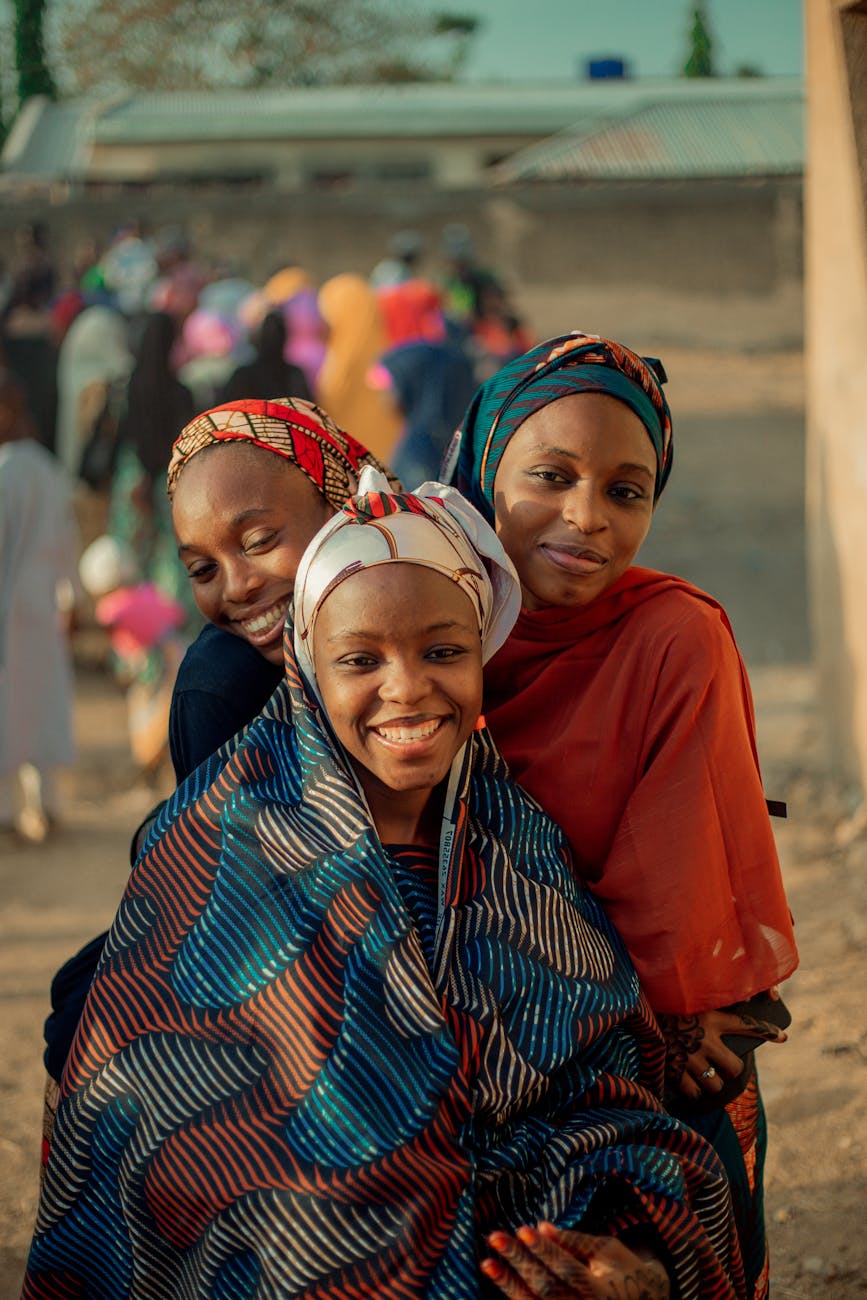
For centuries, societies across the world have debated the role of women in education, business, leadership, and family life. Yet history continues to reveal the same pattern: when women gain access to education, financial independence, healthcare, and opportunity, entire communities prosper alongside them.
The empowerment of women is not merely a social issue. It is one of the most powerful economic and developmental strategies ever observed. Countries that educate girls, support maternal health, increase women’s participation in the workforce, and provide equal economic opportunities consistently experience stronger economies, healthier children, lower poverty rates, and greater social stability.
The evidence is historical, measurable, and visible in the modern world.
Education Changes Generations — Not Just Individuals
One of the clearest indicators of a nation’s future prosperity is the education level of its women and girls.
Educated women are more likely to:
- Earn higher incomes
- Raise healthier children
- Invest in their families
- Delay early marriage
- Participate in civic life
- Start businesses
- Improve nutrition and healthcare outcomes
Research from organizations like the World Bank and UN Women consistently shows that educating girls produces a “multiplier effect.” A single educated woman often improves the economic and health outcomes of multiple generations.
When women are educated, infant mortality rates decline dramatically. Literacy improves within households. Family incomes rise. Communities become more resilient.
In many developing regions, educating girls has proven to be one of the most effective ways to reduce long-term poverty.
The Economic Power of Women
Women are caregivers and community-builders; but more than that, they are also a massive economic force.
According to global economic research, increasing women’s workforce participation can add trillions of dollars to the world economy. Countries that limit women’s access to education or employment effectively reduce their own economic potential.
Historically, periods of major economic growth often coincided with increased participation of women in the workforce.
For example:
During World War II, millions of women entered factories, offices, and industries previously dominated by men. While initially driven by wartime necessity, this shift transformed the economy and permanently changed labor markets.
Women proved themselves capable across manufacturing, engineering, transportation, healthcare, and administration. The result was not societal collapse, as some feared — it was economic expansion and industrial acceleration.
In the decades that followed, women’s increasing participation in higher education and professional careers became a major driver of middle-class growth.
Healthier Women Create Healthier Societies
When women have access to healthcare, nutrition, and reproductive support, societies experience lower mortality rates and improved long-term economic productivity.
Maternal health is deeply connected to the health of entire populations. Children born to healthy mothers are more likely to survive, thrive academically, and become economically productive adults.
Nations with stronger women’s healthcare systems often experience:
- Longer life expectancy
- Lower healthcare costs
- Better child development
- Improved workforce productivity
This connection is especially visible in countries that prioritize prenatal care, maternity support, and nutrition education.
Female Entrepreneurship
One of the most fascinating modern examples of women transforming economies comes from microfinance programs.
Organizations like Grameen Bank discovered that small loans given to women often produced extraordinary community-wide benefits.
Women used these loans to:
- Start small businesses
- Improve housing
- Fund children’s education
- Purchase livestock or equipment
- Create stable household income
Studies repeatedly found that women were more likely than men to reinvest profits back into family wellbeing and education.
The economic effect extended beyond individual households. Entire villages improved as women gained financial agency.
Gender Equality
Modern examples can also be seen in Nordic nations such as Sweden, Norway, and Finland.
These countries consistently rank highly in:
- Education
- Economic stability
- Happiness
- Healthcare
- Innovation
- Quality of life
While many factors contribute to their success, strong investments in women’s education, parental support, workplace equality, and healthcare have played major roles in their societal development.
Policies such as paid parental leave, childcare support, and equal educational access do not simply help women individually — they strengthen the broader economy by creating healthier, more stable families and a more productive workforce.
Women and Community Stability
Women often act as the social anchors of communities.
When women gain economic security, rates of child malnutrition, domestic instability, and intergenerational poverty often decrease. Communities with empowered women also tend to experience stronger educational outcomes and greater civic participation.
Historically, women have frequently led grassroots efforts during crises:
- Food distribution networks
- Community health initiatives
- Education programs
- Peace-building efforts
- Family caregiving systems
Even in difficult economic conditions, women consistently contribute enormous unpaid labor that sustains households and local economies.
Modern economists increasingly recognize that caregiving, education, emotional labor, and household management are forms of economic contribution — even when not formally counted in GDP calculations.
The Hidden Cost of Excluding Women
When women are denied education, healthcare, property rights, or financial opportunities, societies pay a steep price.
The consequences often include:
- Higher poverty rates
- Reduced economic productivity
- Poorer health outcomes
- Increased dependency cycles
- Lower innovation
- Reduced social mobility
Limiting half the population limits a nation’s collective intelligence, creativity, and productive capacity.
History repeatedly demonstrates that societies flourish when talent is cultivated broadly — not restricted narrowly.
The Future Depends on Inclusion
The modern global economy increasingly depends on creativity, adaptability, communication, healthcare, education, and innovation — areas in which women contribute profoundly.
The future prosperity of nations will likely depend not on how much they restrict women, but on how effectively they support them.
Investing in women is ultimately an investment in:
- Children
- Families
- Education
- Public health
- Economic resilience
- Social stability
- Long-term prosperity
When women thrive, the benefits rarely stop with the individual. They ripple outward through households, communities, and generations.
History has shown this pattern again and again.
And the societies that understand it earliest often advance the furthest.